
How to Send Money: A Comprehensive Guide
Sending money has become increasingly important in today’s globalized world. Whether you are helping family and friends, settling invoices, or managing business transactions, understanding the different ways to send money is crucial. This guide will explore various methods of transferring funds, from traditional banking systems to modern digital wallets. For more specific scenarios, such as sending money to Iran legally, you can refer to this how to send money to Iran https://parlamis.com.tr/articles/how-to-send-money-to-iran-legally.html.
 </div
>
Understanding Your Options
There are numerous ways to send money, each varying in ease, cost, and speed. Below are some of the most common methods:
1. Bank Transfers
One of the most traditional ways to send money is through bank transfers. This method can be used for both domestic and international transactions. Most banks offer this service online, allowing you to easily transfer funds from your account to another account. Keep in mind that fees may apply, especially for international transfers, which can also take several days to complete.
2. Wire Transfers
Wire transfers are a fast and reliable way to send large sums of money. They are commonly used for international transfers and are often initiated through your bank or a third-party service. Though these transfers are quick, they can also be expensive due to fees, especially for international transactions.
3. Online Money Transfer Services
Services like PayPal, Venmo, and Wise (formerly TransferWise) allow users to send money quickly and often with lower fees than banks. These platforms have made it easy to transfer money using just an email address or phone number. When sending money internationally, it’s essential to compare fees and exchange rates, as they can vary widely among different providers.
4. Mobile Apps
With the rise of smartphones, numerous mobile apps have come into play, making it easier than ever to send money. Apps like Cash App, Zelle, and Google Pay offer quick and user-friendly interfaces for transferring money to friends or family. Keep in mind that both sender and recipient may need to download the same app, depending on the service.
5. Cryptocurrency
Bitcoin and other cryptocurrencies offer a decentralized method for transferring money. While this method can be quick and often has low fees, it comes with its risks due to market volatility and regulatory scrutiny in many countries. If you are considering sending money through cryptocurrency, be well-informed about the risks involved.
Factors to Consider When Sending Money
When determining how to send money, several factors come into play:
- Speed: How quickly does the recipient need the money?
- Cost: What fees are associated with the transfer? How do the exchange rates compare?
- Convenience: What methods are available to both the sender and the recipient?
- Security: How secure is the method you are using? Is it insured or protected against fraud?
How to Send Money Internationally
Sending money across borders can be more complex than domestic transfers because of currency exchange and regulatory restrictions. Here are the steps to ensure a smooth international transfer:
- Choose the Right Service: Research different money transfer services that cater specifically to international payments, taking into consideration fees, speed, and customer feedback.
- Check Exchange Rates: Be aware of the current exchange rates, as they can significantly affect the amount the recipient receives.
- Prepare the Recipient’s Details: Ensure you have all the necessary information about the recipient, including their bank account details or email address if using an online service.
- Review the Regulations: Ensure compliance with local regulations regarding money transfers, especially in countries with strict rules.
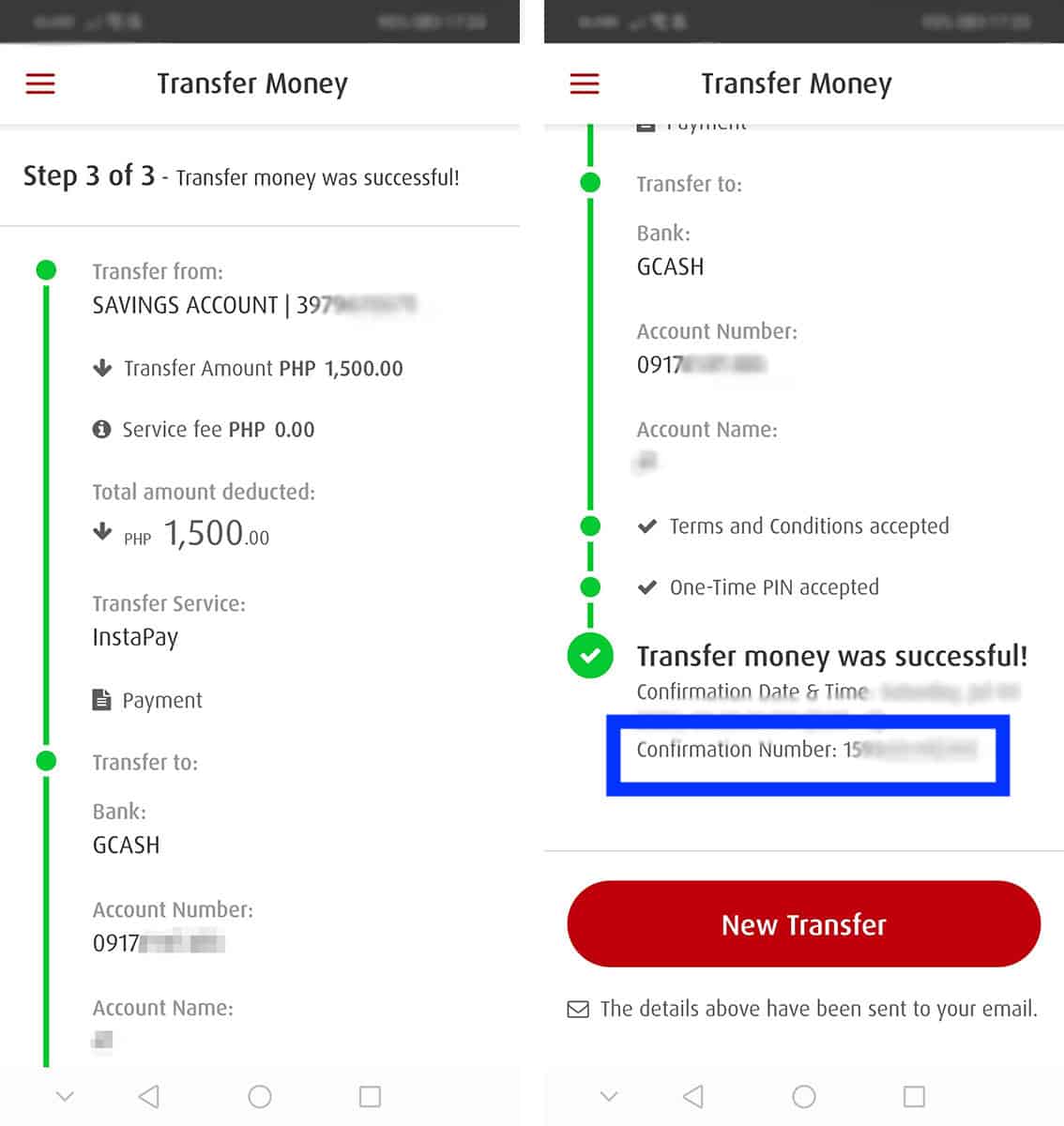
- Confirm the Transfer: After sending the money, keep a record of the transaction and share the confirmation with the recipient.
Conclusion
Understanding how to send money effectively is vital in today’s interconnected world. With various methods available, it’s essential to evaluate your options based on speed, cost, and security. Whether you’re transferring funds locally or internationally, being informed will help you make the best choices to ensure your money reaches its destination safely. Remember, situations may vary, such as when sending money to specific countries like Iran. In such cases, always consult legal guidelines to ensure compliance.